Sand Tray is a powerful, creative technique that fosters connection and supports overall wellbeing. It can also be a fun, self-discovery activity for families, helping parents deepen their bond with their children. In this session, parents will explore creative ways to connect with their child while learning about the history and neuroscience of Sand Tray Therapy, why it works, and how it can help. Participants will engage in an interactive activity led by Dr. Hernandez and learn practical strategies for creating Sand Trays with their children at home.
Ted Perkins explores how Recovery Movie Meet-Ups: Family Edition uses thoughtfully selected Hollywood films and guided conversation to help families better understand addiction, improve communication, set healthy boundaries, and support recovery—while honoring their own needs. The result is greater empathy, deeper connection, and shared healing.
What does it really mean to be supported as a parent when things feel overwhelming?
Join us for a special peer parent panel featuring moms and dads who will share honestly about their journeys—and the role peer support has played along the way. This is not a panel about having it all figured out. It’s a conversation about what’s normal, what’s hard, what helped, and what it means to feel less alone.
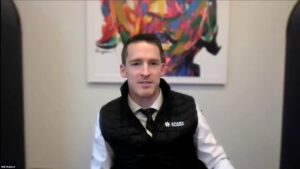
In this session, Neil Wallace will examine how trauma shapes the developing brain and influences behavior throughout childhood and adolescence. Drawing on current neuroscience and clinical experience, he will break down the neurological processes behind trauma responses and the behaviors that often follow. Neil will also share a practical framework to help caregivers better understand, support, and connect with young people impacted by trauma. Participants will leave with increased clarity, compassion, and actionable strategies they can use at home and in daily interactions.
When addiction or mental health struggles enter a family, they don’t just create symptoms they create roles. Through the lens of the parallel process of addiction and the Stephen Karpman Drama Triangle, Thomas Miller reveals how families unknowingly fall into patterns of rescuing, blaming, and emotional collapse in an effort to survive the chaos. What begins as love and protection often fuels burnout, conflict, and disconnection. Parents will learn how these unhealthy roles get reinforced and how to step out of the triangle without disengaging or giving up on their child. When parents shift from survival mode to intentional leadership, the entire family system can begin to heal.
Need Help Now: Let us point you in the direction of other resources. If this is an emergency, please call 911.
If you or a loved one is in emotional distress or suicidal crisis, call 988.